
March 24, 2026
TMG Visits Los Angeles: Exploring Autonomous Mobility and Urban Transport
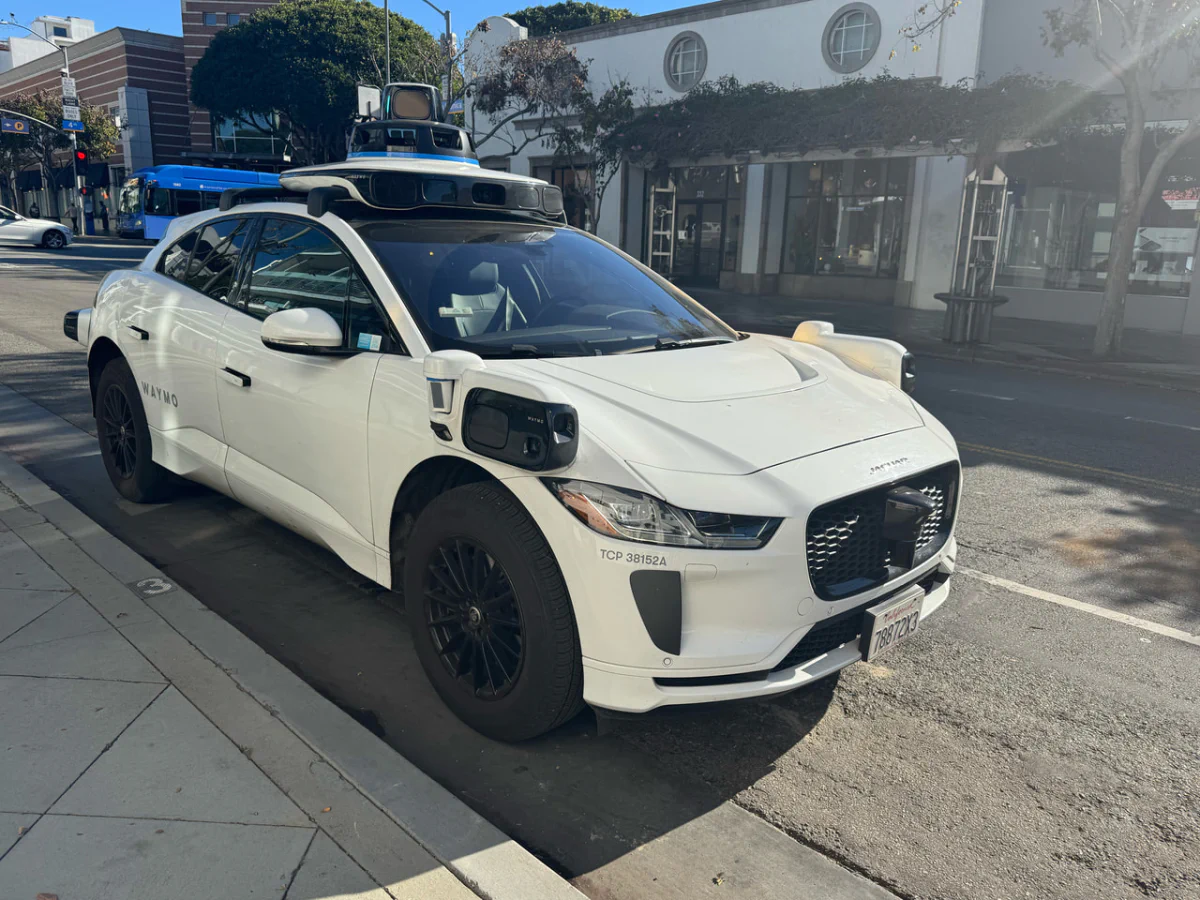
As part of a joint project involving working-level staff from G-NETS member cities, officials from the Urban Infrastructure Division of the Tokyo Metropolitan Government (TMG) Bureau of Urban Development visited Los Angeles in January 2026. With preparations underway for the Los Angeles 2028 Olympic Games (LA28), the delegation toured several areas of the city to observe ongoing infrastructure developments. The visit included a ride in the latest autonomous taxi service, a site visit to a bus rapid transit (BRT) system, and discussions with the Los Angeles Department of Transportation (LADOT) regarding the introduction of autonomous driving technologies.
Key Site Visits
[January 14–15, 2026]
Los Angeles Union Station
The visit began at Los Angeles Union Station, the largest railway passenger terminal in the western United States, where multiple public transportation services connect, including the subway, Amtrak (long-distance rail services), and the LAX FlyAway® airport shuttle bus. Centered around a plaza equipped with seating areas, the station provides clear circulation routes allowing smooth movement to railway platforms and bus terminals, making the layout easy to understand even for first-time visitors.
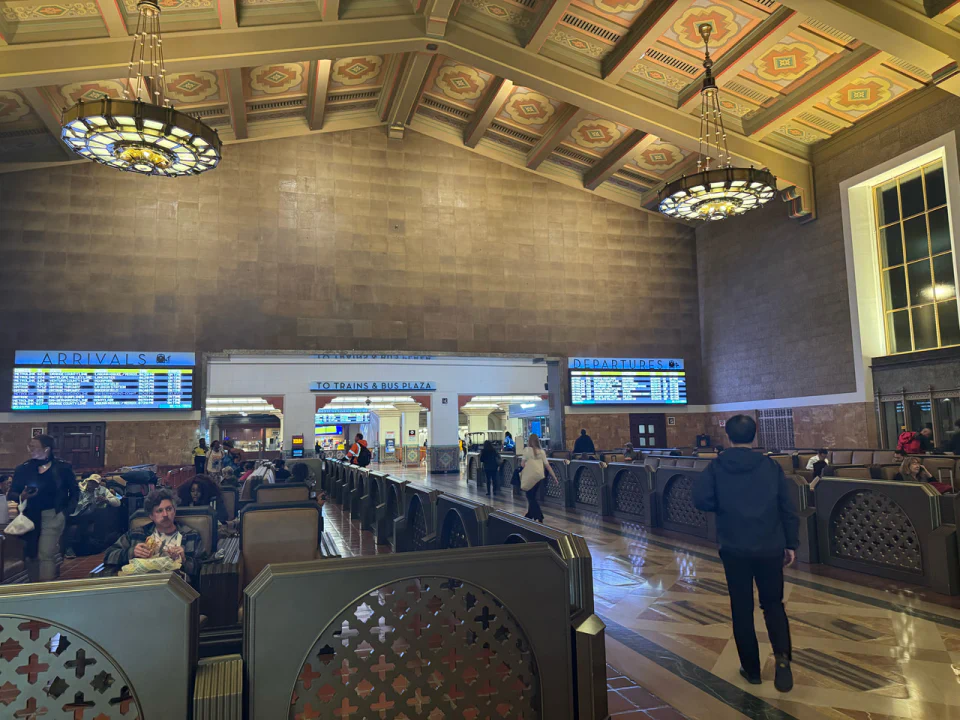
Union Station opened in 1939 and is one of Los Angeles’s most iconic historic station buildings, combining Art Deco and Spanish Colonial architectural styles
[January 15, 2026]
Santa Monica Area
The delegation traveled by the autonomous taxi service Waymo to the Santa Monica Pier, where reconstruction work on the Pier Bridge is currently underway in preparation for LA28 (scheduled for completion in December 2027). The Pier extends into the Pacific Ocean and is also known as the western terminus of the transcontinental highway Route 66.
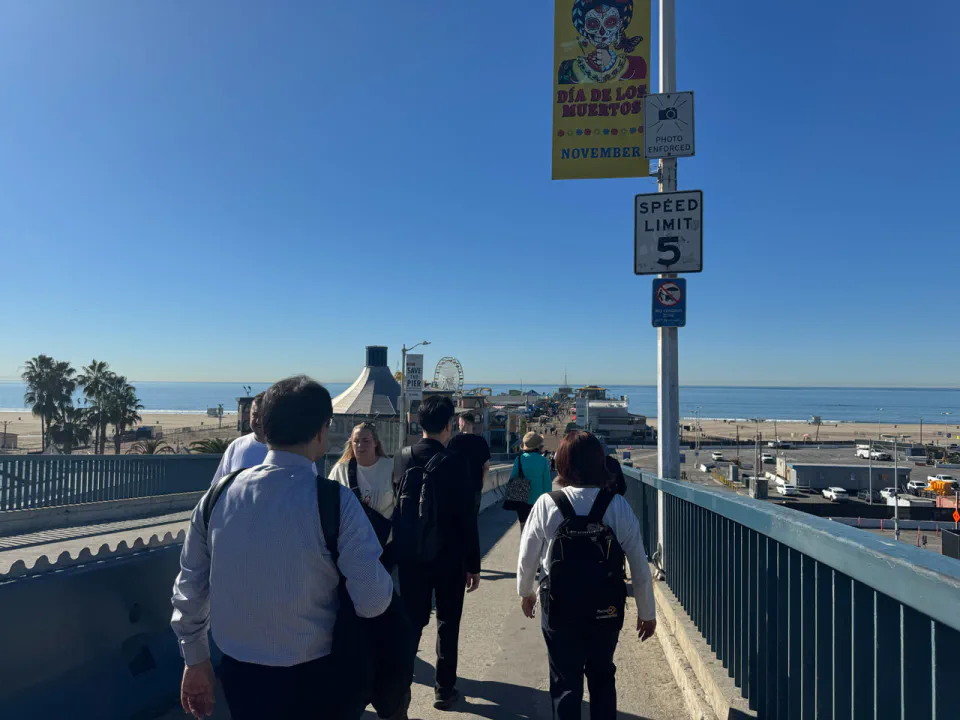
The Pier Bridge, where pedestrian access was partially restricted due to reconstruction work
Exchange of Views with Waymo
Waymo’s autonomous taxi service is capable of handling situations that often present challenges during autonomous vehicle demonstration tests in Japan, such as navigating around illegally parked vehicles and making left turns at complex intersections (equivalent to right turns in Japan). In Los Angeles, the service is used not only by tourists but also as a daily mode of transportation.
Rides are requested through a smartphone application, and passengers can control settings such as air conditioning, seat recline, and music through the in-vehicle monitor or mobile app. In addition, when vehicles encounter situations that are difficult to handle autonomously, the Remote Assistance (RA) system allows human operators to provide instructions from a distance, enabling one operator to manage several dozen vehicles.
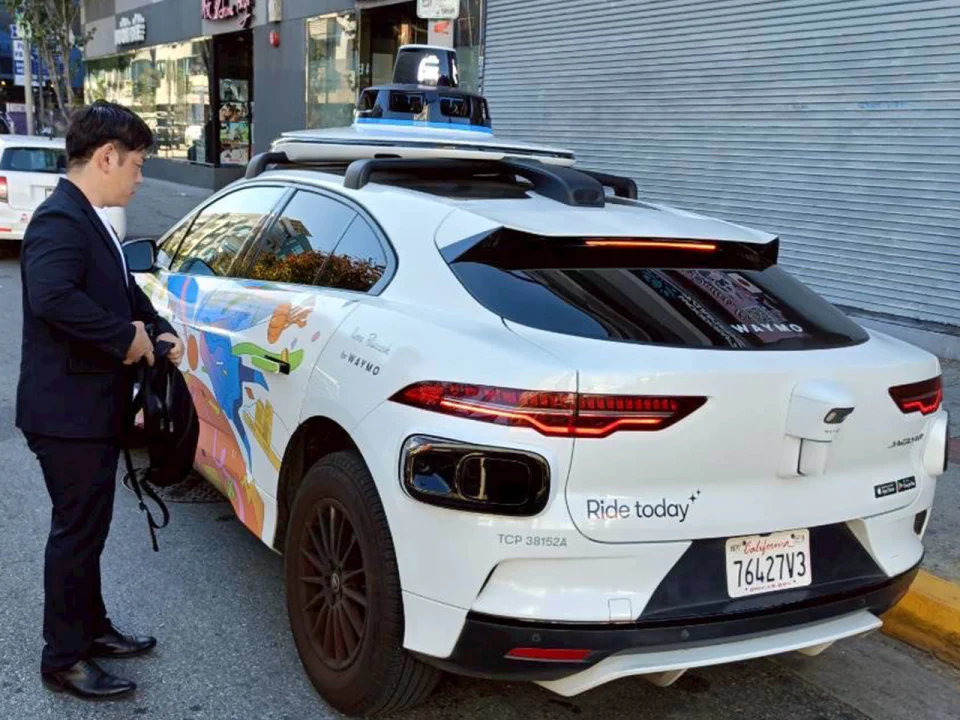
TMG officials boarding the rear seat of a Waymo vehicle for a demonstration ride
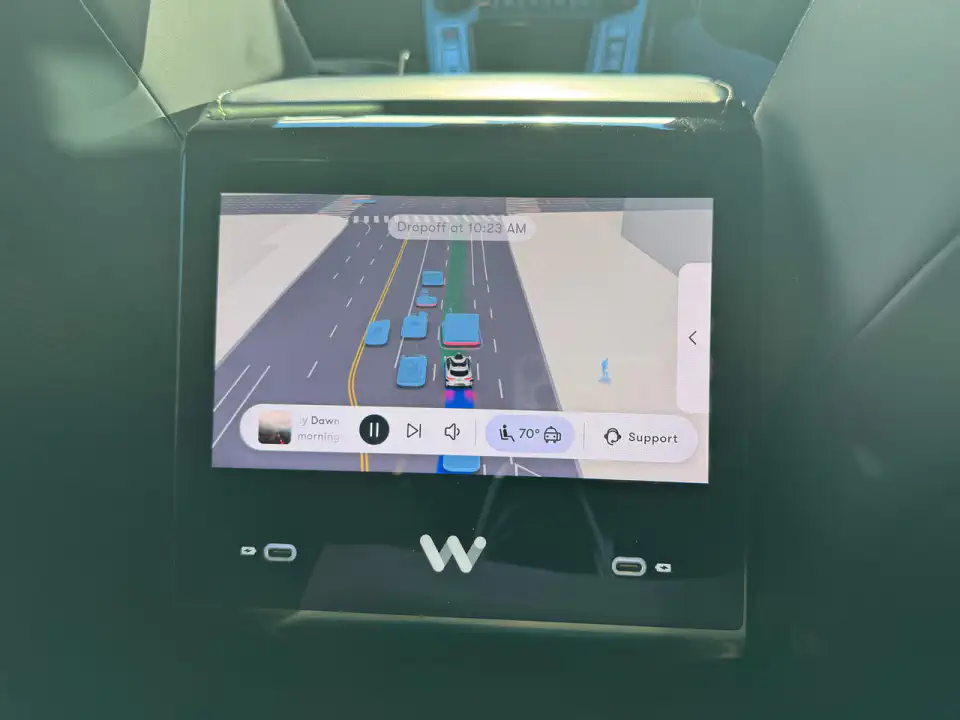
The rear seat of a Waymo vehicle, where destination and air-conditioning settings can be controlled via a touchscreen
During the exchange of views with Waymo, participants discussed the current status of autonomous driving technology, the results of demonstration tests conducted in Tokyo in 2025, and challenges for future implementation in Tokyo. In particular, Japan’s traffic environment—where vehicles often operate in close proximity to pedestrians—was highlighted as a key issue. Given Tokyo’s extremely high demand for taxi services, Waymo is currently working with the Nihon Kotsu Group taxi company to train its systems to better understand appropriate distances from pedestrians under Japanese road conditions. The company also introduced its partnership agreement with Toyota Motor Corporation, under which collaboration in areas such as vehicle supply for Japan is being considered.
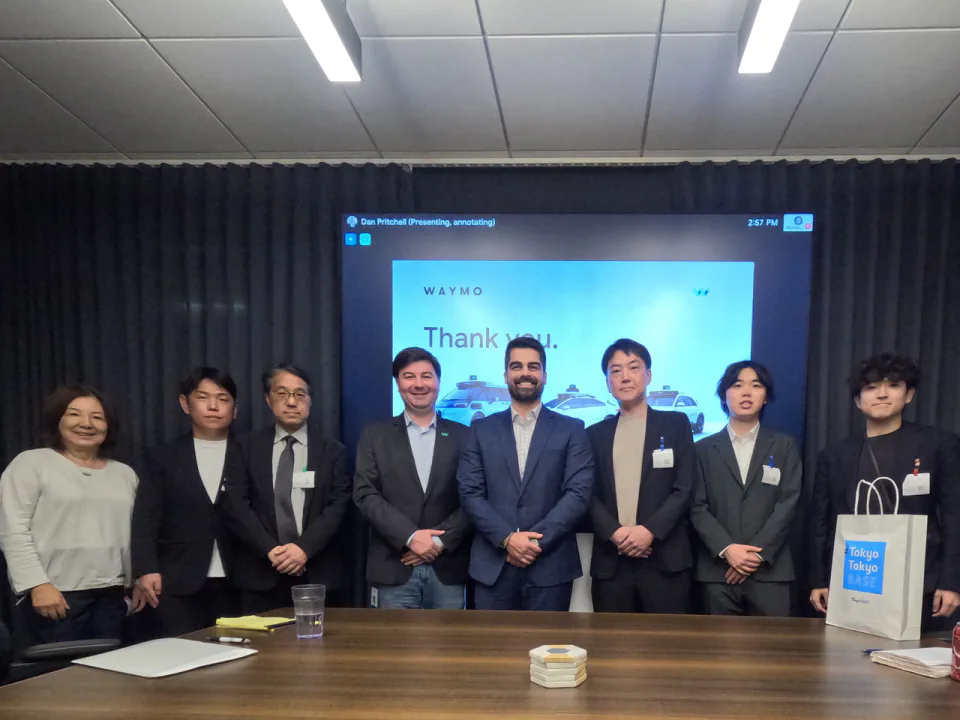
Waymo’s Adam Lane (fourth from right), who leads autonomous driving technology development and works closely with the Japan team, together with TMG officials
Hollywood/Highland Station
Around Hollywood/Highland Station, plans are underway to reorganize the road space in front of the station. In the area surrounding the Hollywood Walk of Fame, a well-known tourist destination, sidewalks will be expanded and bicycle lanes introduced by narrowing vehicle lanes.
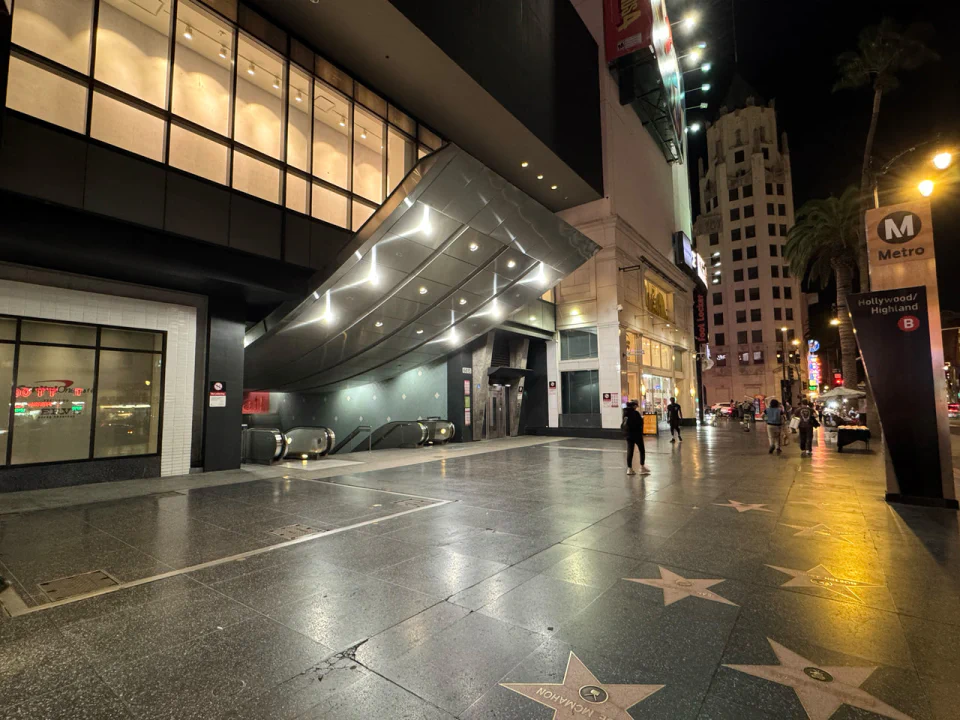
Entrance to Hollywood/Highland Station
[January 16, 2026]
Los Angeles Department of Transportation (LADOT)
At LADOT, the delegation exchanged views with officials responsible for transportation policy management, traffic regulation and policy planning, and planners responsible for new mobility initiatives. These planners include specialists in geographic information system (GIS) mapping and data analysis who study how such technologies can support law enforcement and urban planning, as well as officials responsible for transportation planning in preparation for LA28.
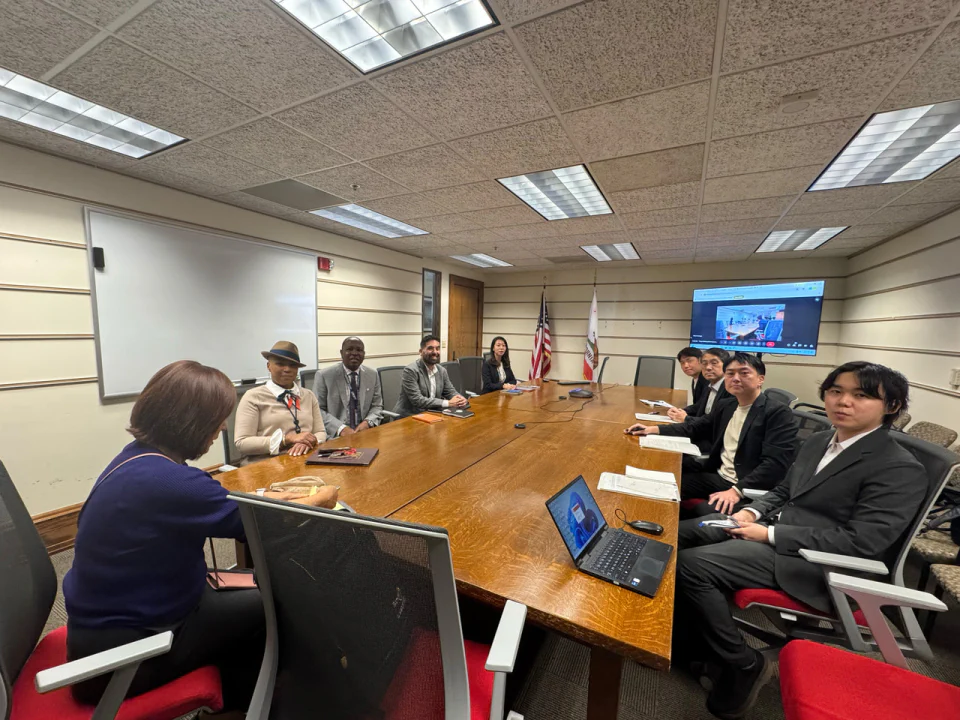
Officials from LADOT and the TMG delegation
LADOT has developed the Mobility Data Specification (MDS), enabling municipalities and private operators providing services such as electric scooters, shared bicycles, and autonomous vehicles to share data—including vehicle location and parking information—in order to better manage urban mobility. Even when autonomous vehicles face unexpected changes in road conditions, such as construction work, the system can provide advance information designating no-entry zones, allowing autonomous vehicles to travel more smoothly. The possibility of introducing similar systems in Tokyo will be examined through further hearings and discussions.
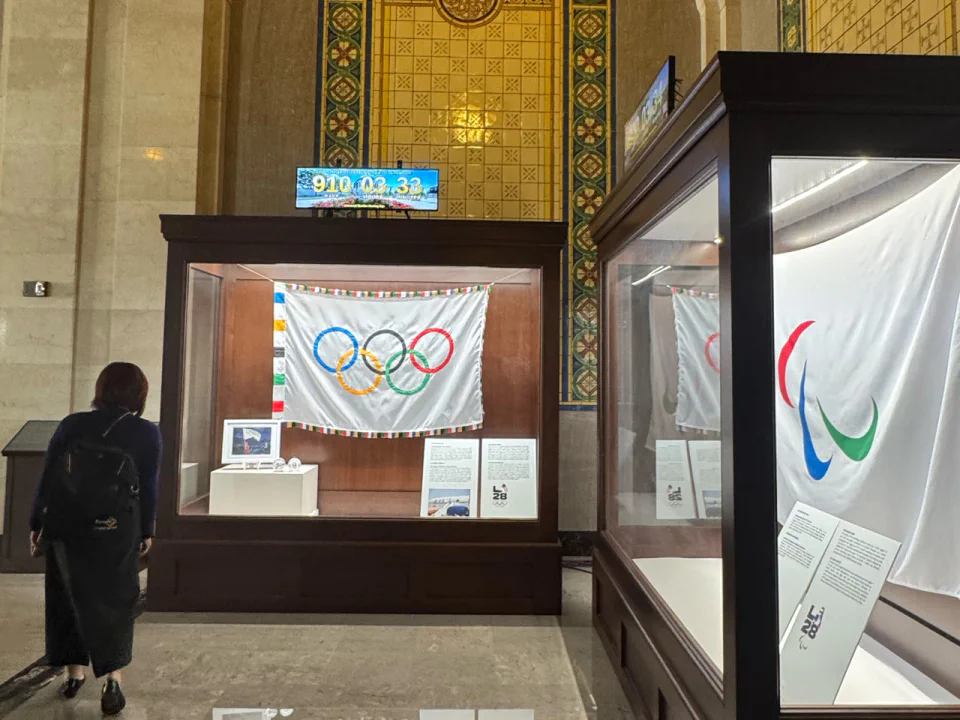
The City of Los Angeles is also promoting an autonomous vehicle program for persons with disabilities in preparation for LA28. Olympic and Paralympic flags are displayed in the city hall lobby
During the exchange of views, several challenges related to autonomous driving were also raised. In particular, lower acceptance among older residents was recognized as a shared challenge for both Los Angeles and Tokyo.
Bus Rapid Transit (BRT)
The final site visit focused on BRT. The system operates 18-meter articulated electric buses running in dedicated lanes and provides service 24 hours a day. In preparation for LA28, major upgrades are planned for the G Line, one of the system’s two routes. Improvements such as enhanced bus signal priority, the construction of grade-separated crossings (bridges), and the addition of elevated stations are expected to shorten travel times and improve safety.
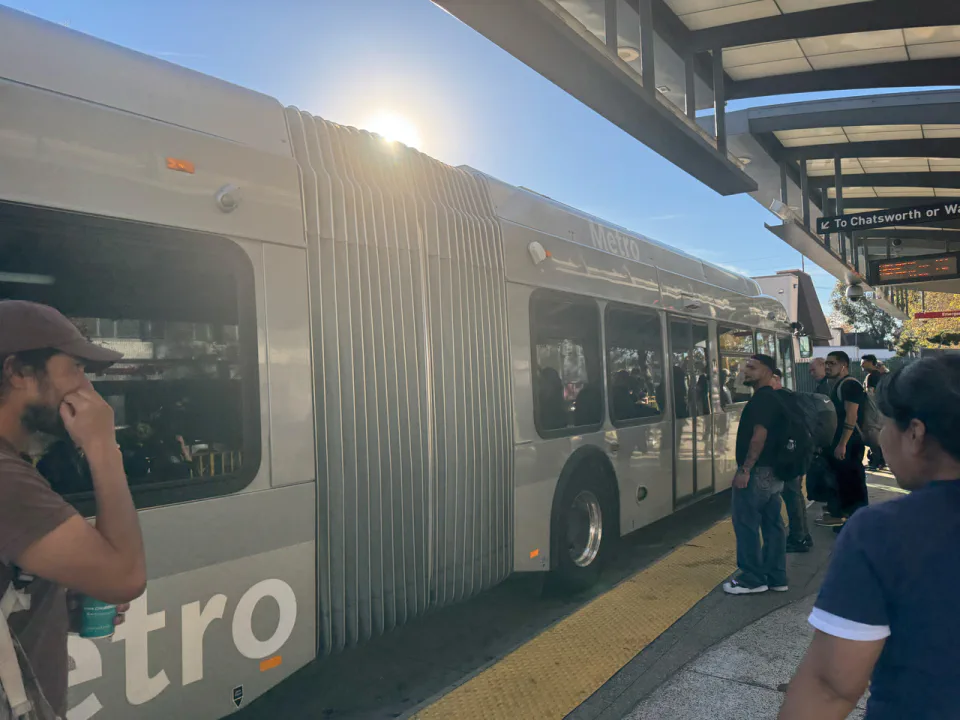
BRT, operated by LA Metro, uses dedicated lanes, signal priority control, and all-door boarding to achieve punctual operation and efficient passenger transport
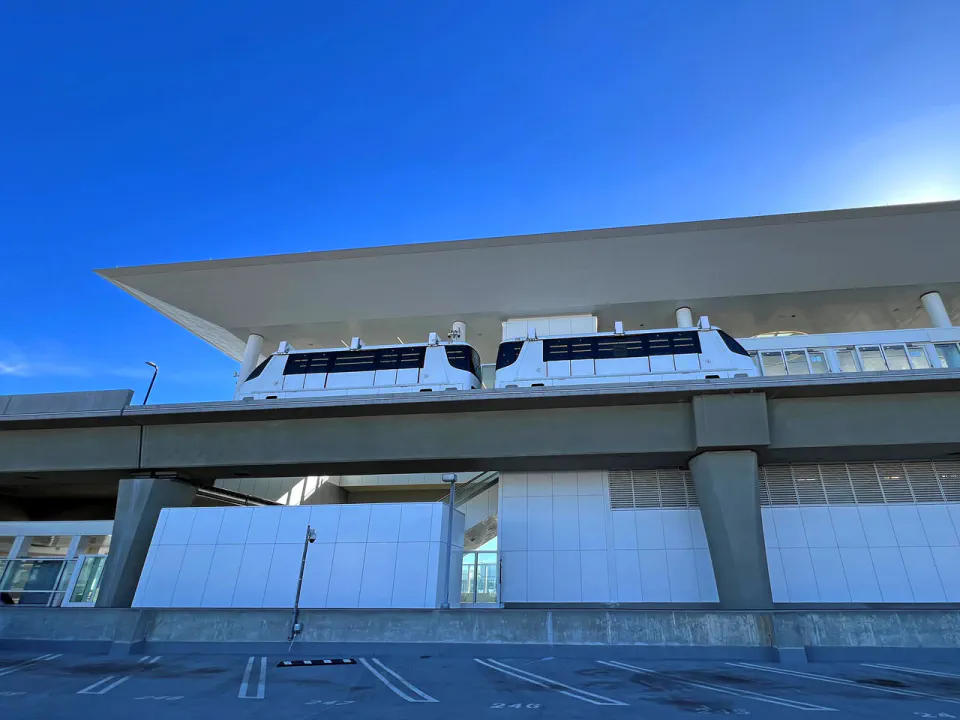
A irport People Mover (APM), an automated driverless train system scheduled to open in June 2026 (©Los Angeles World Airports and LAX Integrated Express Solutions)
Through site visits and discussions with stakeholders in Los Angeles, it became clear that the implementation of autonomous driving technologies in cities requires not only technological development but also supporting social conditions, including systems for data management, regulatory frameworks, and public acceptance.
In particular, urban mobility data management methods such as MDS provide important insights for future urban transportation policy. At the same time, even in cities at the forefront of innovation, shared challenges remain in areas such as coordination among government agencies and building public understanding.
The social implementation of autonomous driving technologies is becoming a common policy issue for many cities. As cities work to address these challenges, the importance of sharing policy knowledge and technological expertise across cities is increasing. G-NETS is an urban network that promotes sustainable and resilient urban development through such exchanges of knowledge and technology among cities.