
June 18, 2026
Sweden’s Malmö Is Making Everything from Food to Construction More Sustainable
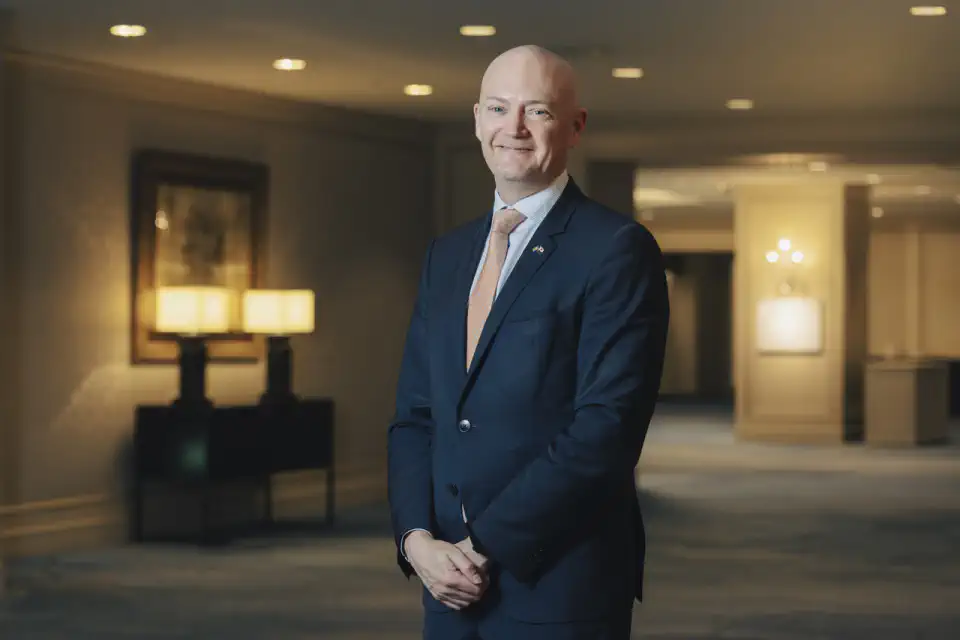
Micael Nord, Director of Business and External Relations for Malmö
2025 was the third-warmest year on Earth since scientific observations began in 1850, topped only by 2023 and 2024. The climate crisis has left cities around the world struggling with the challenge of decarbonization to meet climate change goals. Against this background, representatives from 55 cities gathered in Tokyo in late April 2026 for the 3rd Global Network for Sustainability (G-NETS) Leaders Summit, a summit designed to share solutions to common urban issues. It was held alongside SusHi Tech Tokyo 2026, Asia’s largest innovation conference.
From Nations to Cities: A Shift in Leadership
Known for its long-standing efforts to promote sustainability, the city of Malmö, population 368,000, is situated in southwest Sweden across the Öresund Strait from the Danish capital, Copenhagen, and has been a border community for centuries. Micael Nord, Director of Business and External Relations for Malmö, took part in the G-NETS summit, where he reflected on Malmö’s role in pushing sustainability.
“We are in the southernmost part of Sweden, facing Denmark, so a number of our national collaborators are in other countries, and we are working closely with Copenhagen in Denmark and Hamburg in Germany,” says Nord. “However, many policies and financial instruments are nationalized, so one of our challenges is to find other solutions and financial instruments when working with our closest allies.”
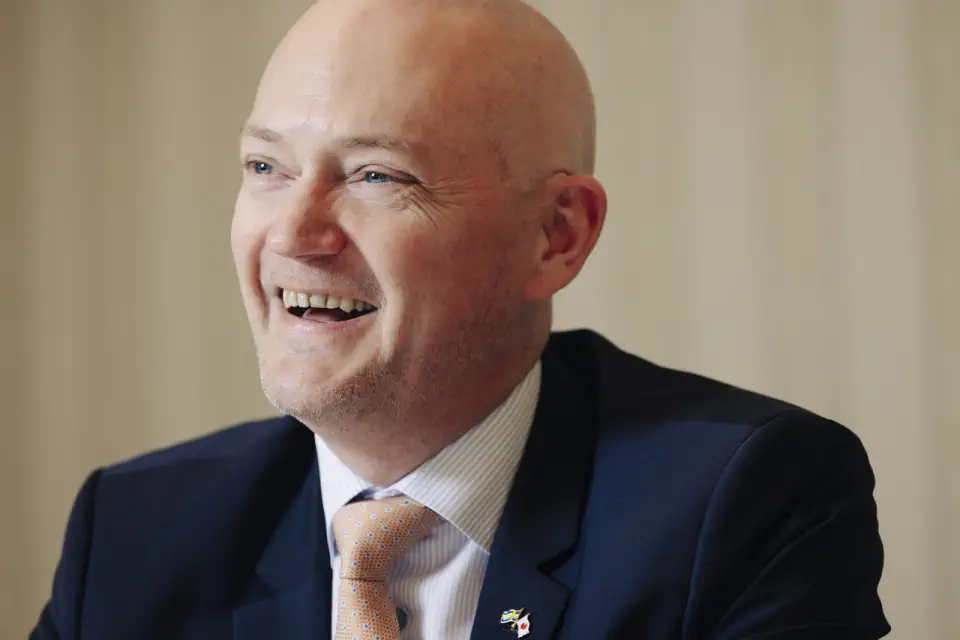
Nord says intercity networks are more important than ever
Nord was on his fifth visit to Japan, but it was his first time to join the G-NETS Leaders Summit, having previously participated in the Senior Officials Meeting. He spoke about his impressions of the event and the session he spoke at entitled “Promoting Decarbonization.”
“I think it’s fantastic in several ways—first, that Tokyo Governor Koike and the Tokyo Metropolitan Government are showing such strong leadership for cities at a time when more and more nations are stepping down from being a driving force in sustainable development. Cities must fill the vacuum,” says Nord. “Tokyo is showing leadership that way.
“The second, which is really important for Malmö, is putting the collaboration between the public sector and the private sector in focus, for example with SusHi Tech Tokyo and focusing on innovation and startups.”
Malmö’s Experience in Sustainability, Shared with Other Cities
Nord shared the city’s experiences in private-sector collaboration with attendees. One initiative is the Local Roadmap for a Climate Neutral Building & Construction Industry in Malmö 2030 (LFM30), a project aimed at making the construction industry more sustainable, with some 200 companies involved. As building accounts for more than 20% of Sweden’s environmental impact and Malmö aims to erect more than 28,000 homes by the mid-2030s, the initiative includes strategies such as life-cycle analysis for design, construction process, and material decisions, as well as the use of climate-neutral building materials, management, operations and maintenance, sites, and transport.
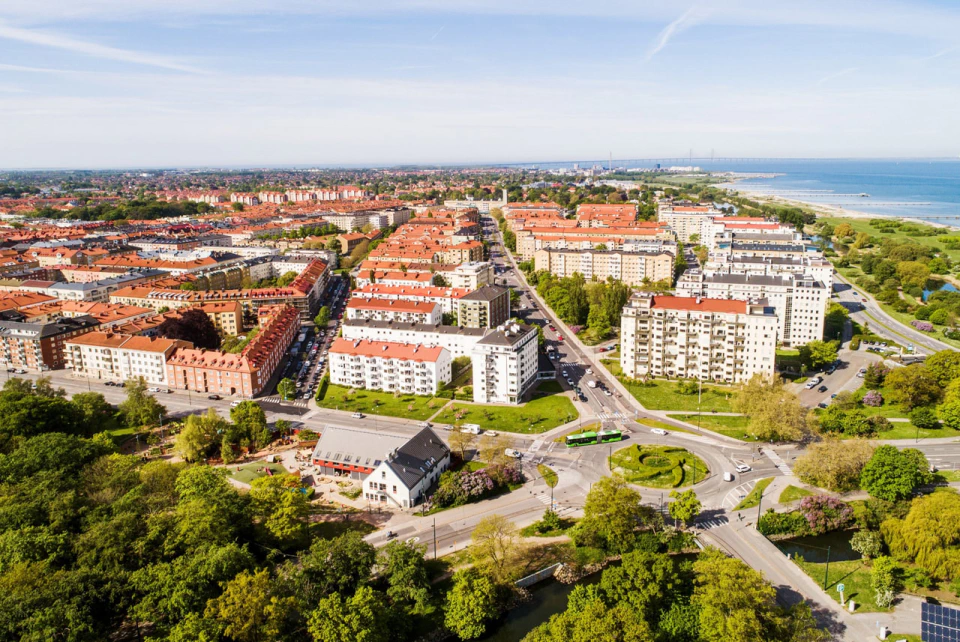
LFM30 is a Malmö project aimed at making the construction industry more sustainable. Photo: courtesy of The City of Malmö
Construction in Malmö now embraces smart energy solutions and environmentally friendly materials, acknowledging their long-term benefits, says Nord. All construction actors connected to LFM30 work to minimize the climate impact of buildings and facilities through design and material choice, with function, circularity, and low climate footprint being prioritized.
“This was launched seven years ago, and the target is to have a completely climate-neutral building and construction sector by 2030,” says Nord. “It’s a collaboration between the city and the construction industry, but it was initiated and is operated by the private sector, so they are taking a huge responsibility. It’s real estate owners, developers, architects, and so forth.”
Nord also explained the Malmö Generate District, a community for impact-driven innovation that is being built in Malmö in conjunction with the private sector, academia and civil society. According to Dealroom and Danske Bank Growth, one-third of total investments in Swedish startups go to impact startups, which are sustainable and climate-smart solutions that attract capital. Already home to more than 150 startups and organizations pursuing impact growth, the district is built on three layers: a digital interface where knowledge, resources and data are collected on a common platform so actors can find each other and contribute to a more open and efficient innovation system; an attractive physical environment of workplaces, test beds, labs, meeting places, and public arenas; and curated meetings to break down silos and give rise to new ideas.
Sparking Innovation with Tokyo as a Partner
One innovative young company active in Malmö is fabula Inc., a University of Tokyo sustainability spinoff established in 2021 to “create inspiration from waste.” It is focused on creating new materials out of waste products such as leftover or discarded Chinese cabbage, citrus rinds, and spent coffee grounds. By drying, pulverizing, and heating the foodstuffs in high-pressure molds, they can be turned into new materials that are stronger than concrete, according to the company. Under the aegis of TMG’s King Salmon Project Overseas Urban Challenges Course, fabula conducted a PoC (Proof of Concept) project in Malmö to collect coffee grounds from local cafés and offices and process them into durable materials at Swedish University of Agricultural Sciences.
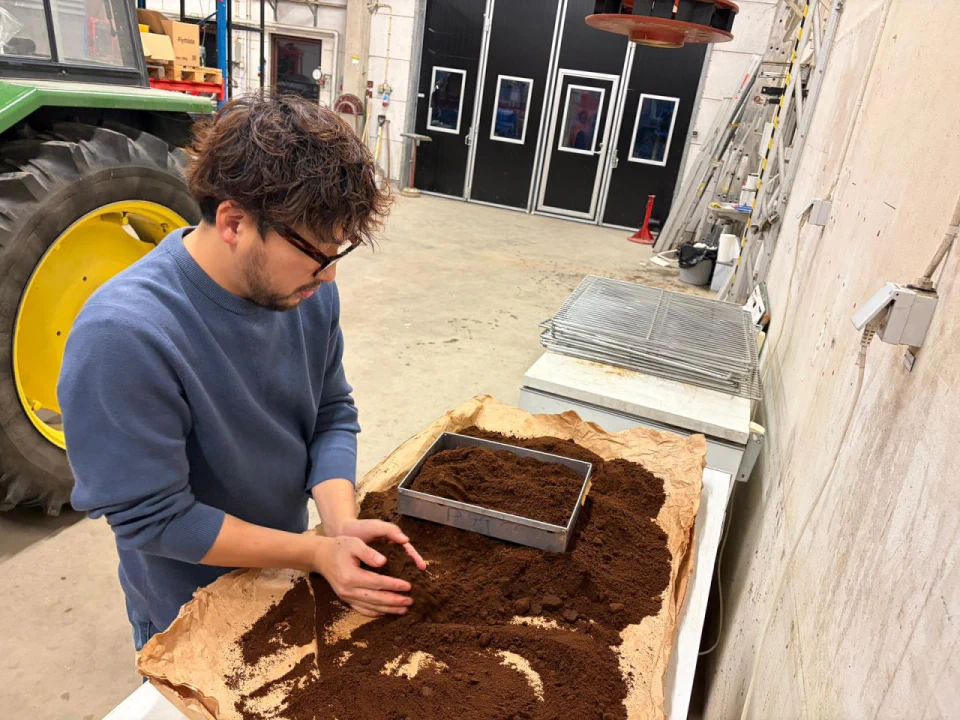
Tokyo startup fabula Inc. conducted a PoC (Proof of Concept) in Malmö to upcycle coffee grounds. Photo: fabula Inc.
Cities are mostly passive consumers of imported food while creating large amounts of waste, notes Nord. This creates enormous amounts of unused resources from residual flows. Malmö is pursuing initiatives focusing on using food waste and circular systems. This involves minimizing waste, improving production and handling, redistributing food waste for further use and recycling remaining waste into new products.
fabula’s upcycled materials were used in prototypes and tested at two local businesses. In March 2026, a final workshop was held where fabula and local stakeholders shared their experiences with Malmö's business community and created opportunities for matchmaking. The prototypes showed great potential and generated much interest among several local companies, providing grounds for future collaboration.
“We are pleased to have been part of the King Salmon Project and grateful to TMG for taking the initiative and wanting to collaborate with us,” says Nord. “In Malmö, the food sector has become an increasingly important focus area in our sustainability work in the last few years, so this was an excellent injection into this work. fabula showcased real innovation and a new and exciting way of working with food waste.”
G‑NETS as a Smorgasbord of Ideas from Cities
As Malmö promotes sustainability on these and other fronts, Nord reflected on his experiences in G-NETS and emphasized the value of sharing experiences across borders and working together against global warming.
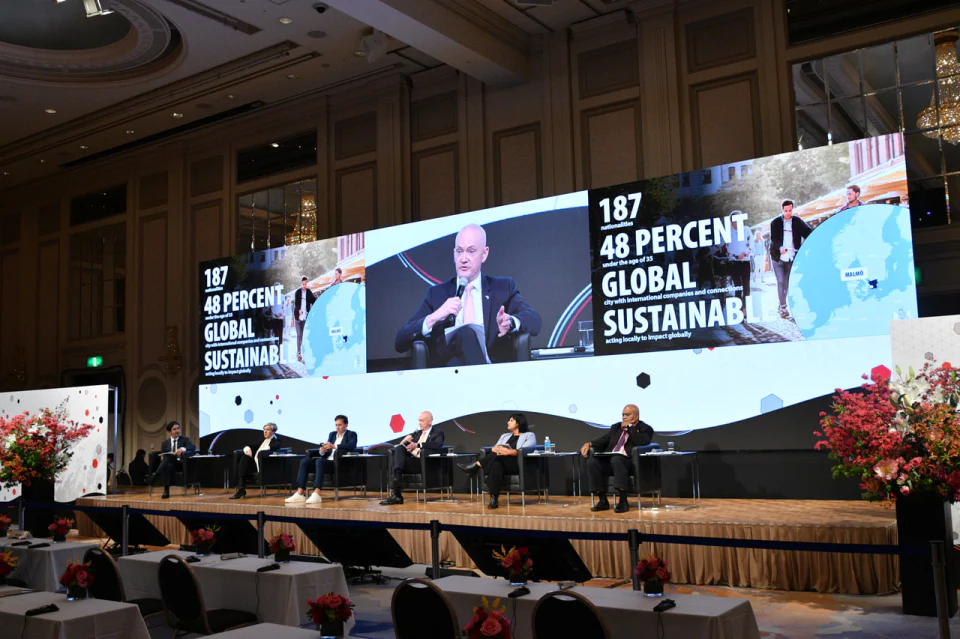
Nord speaking on the Promoting Decarbonization, one of the session topics under the Resilience category at the 3rd G-NETS Leaders Summit
“I think G-NETS is the perfect platform to bring together 55 different cities from around the globe, including many we are not already working with,” says Nord. “I like to think of it as, as we say in Sweden, a smorgasbord (a Swedish-style buffet) of different ideas and solutions to be inspired by. You get some great ideas and insights, even from cities which at the beginning seem quite unlike your own. Japan and Tokyo are one of our priority partners and we are looking forward to continuing our close cooperation within G-NETS and on other platforms.
“From Malmö’s perspective, G-NETS’ focus on innovation and startups is especially important. That’s what makes G-NETS stand out among other similar networks, along with the strong commitment and leadership from Governor Koike. Her spirit is really present in G-NETS and that’s a crucial factor to its success.”
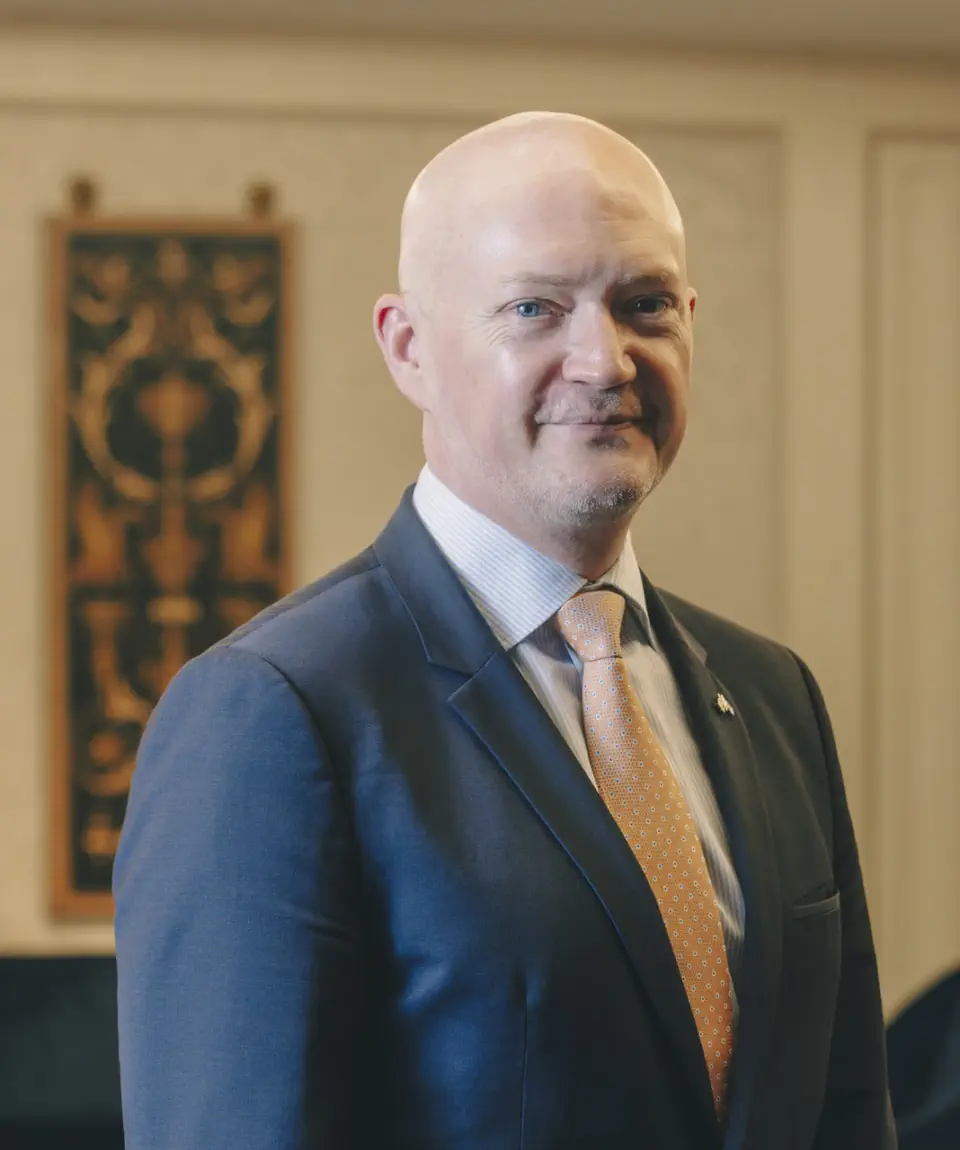
Micael Nord
Director of Business and External Relations, Malmö
He is responsible for areas such as business, tourism, the labor market, migration, community planning, and external relations, with a focus on creating favorable conditions for sustainable and inclusive growth in Malmö and the surrounding region.